A colleague adopts a dog, comes home excited with the puppy, and then discovers three weeks later that he needed to sign an official document before the transfer. The legal seven-day period was not respected, the seller is at fault, and the buyer realizes he was unaware of his own obligations.
Becoming a responsible dog owner in 2026 is not just about choosing a breed and buying a leash: it involves a series of administrative, health, and behavioral steps that most future owners underestimate.
Commitment certificate and identification: the steps before the dog’s arrival
Since the law of November 30, 2021, anyone acquiring a dog must sign a commitment certificate and knowledge of the species’ needs. The transfer cannot take place before the expiration of a legal seven-day period after this signature. This is not a symbolic formality: this period aims to prevent impulsive acquisitions.
However, many buyers discover this obligation on the very day of the animal’s handover. The seller, whether a professional or a private individual, is required to provide this certificate. Without it, the transaction is not compliant.
The dog’s identification must be done before the age of four months and must be completed before any transfer. When there is a change of owner, the modification must then be registered with I-CAD. This step is often forgotten during donations between individuals, complicating the traceability of the animal in case of loss or theft. You can find information from Amazing Pet Place to test your knowledge of these legal obligations and assess your actual preparation before welcoming a dog.
Dog bite: the mandatory procedure every owner must know
A dog that bites, even without a history, even if not categorized, triggers a specific procedure. Reporting to the town hall is mandatory, regardless of the context of the bite. Many owners think this rule only applies to so-called dangerous dogs. This is false.
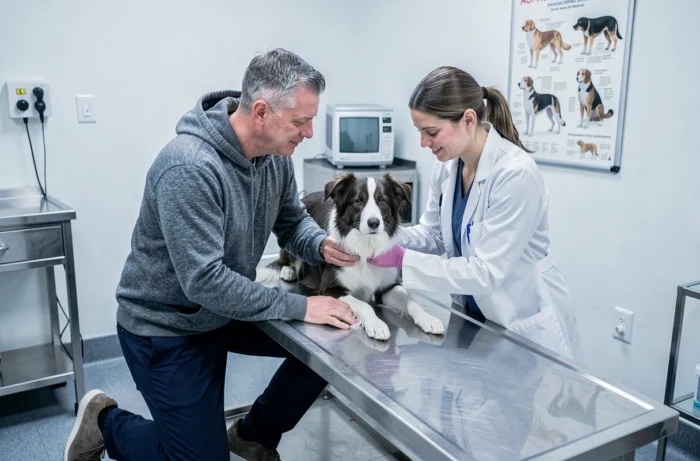
After the declaration, the animal must undergo a health monitoring and behavioral assessment conducted by a veterinarian. This obligation is based on Article L211-14-2 of the Rural Code. The costs are the responsibility of the owner.
What the procedure concretely involves
- Declaration at the town hall of the municipality where the bite occurred, as soon as possible
- Three veterinary visits for health monitoring, spread over a defined period, to rule out any risk of rabies
- A veterinary behavioral assessment that determines the level of danger posed by the animal and may lead to prescriptions (mandatory muzzle, behavioral follow-up)
Failing to report a bite exposes the owner to sanctions. Legal responsibility applies even if the dog is not of category 1 or 2. A non-categorized dog that bites is subject to the same procedure as a classified dangerous dog.
Civil liability and insurance: what the lease and co-ownership change
The civil liability of the dog owner covers damages caused by the animal to third parties. In co-ownership or rental situations, things become more complicated. A lease cannot prohibit the ownership of a pet (except for category 1 dogs in certain cases), but noise disturbances related to barking can justify neighbor complaints, even legal action.
There is a tendency to believe that the civil liability included in home insurance is sufficient. Feedback varies on this point: some basic policies exclude damages caused by an animal or set very low coverage limits. Checking the specific clauses related to animals in your insurance contract before adoption helps avoid discovering an exclusion on the day of an incident.
Categorized dogs: additional obligations
Owners of category 1 and 2 dogs must hold a custody permit, take out specific civil liability insurance, and have the animal’s behavior assessed. The dog must be sterilized for category 1. Registration in the pedigree book may be required to prove the breed classification.
Animal mental load: budget, education, and daily life of the responsible owner
The concept of “pet parenting” is gaining ground in France. An increasing number of owners consider their dog as a full-fledged family member, which changes expectations in terms of care, nutrition, and education. With this evolution comes an animal mental load that many future owners do not anticipate.
The annual budget for a dog often exceeds initial estimates. Proper nutrition, regular veterinary visits, deworming, antiparasitics, possible sterilization, dog training: each item adds up. Failing to budget for emergency veterinary care is the most common mistake.
Dog training: methods and real-world reality
Positive dog training methods currently dominate professional recommendations. Finding a competent dog trainer requires checking their certification (at least ACACED) and ensuring they work in real conditions, not just in a classroom.
Training a dog takes several months of regular work, not just a two-hour session. Breeds with strong temperaments require a higher investment. An owner who does not have daily time for exercises and socialization risks seeing behavioral issues arise that only a behaviorist can address later.
The preparation test before adoption is not a gimmick. Honestly assessing your lifestyle, housing, availability, and financial capacity helps avoid abandonments, which remain a major problem in France. A responsible dog owner in 2026 is someone who has checked every point before committing, not after.